
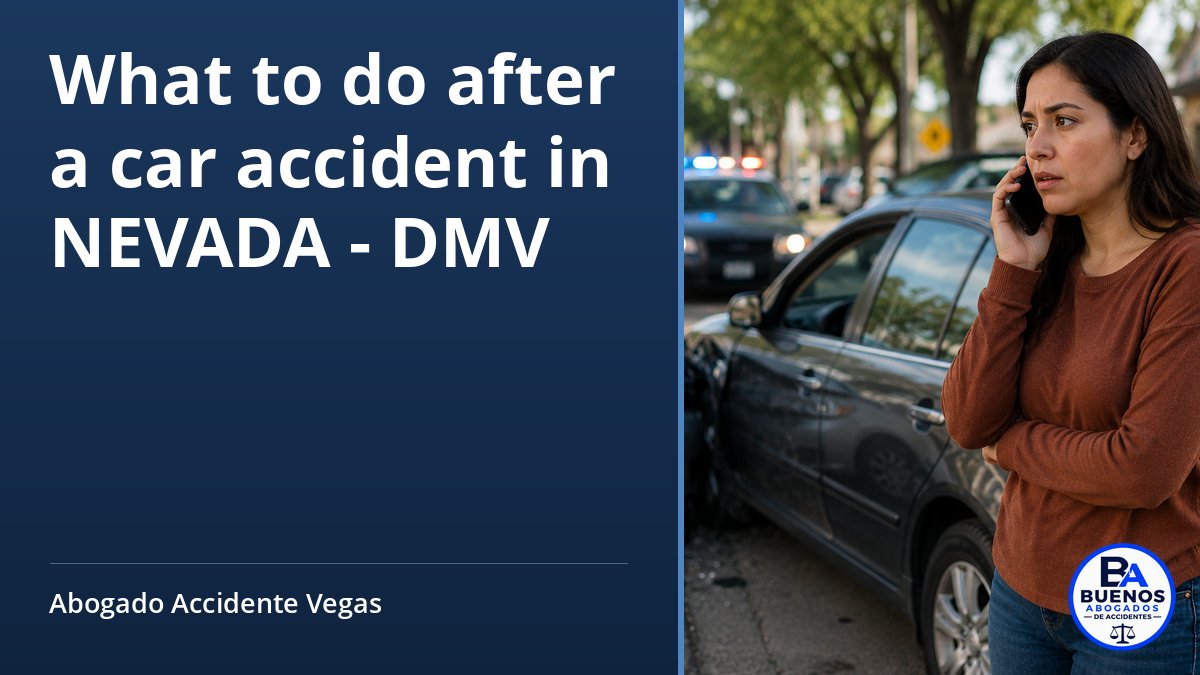
What to do right after a Nevada car accident
Right after a car accident, it can be difficult to remember what to do. The following steps cover immediate safety, documentation and reporting. The Nevada DMV explains crash reporting, and its forms page includes the SR-1.
1. Stop Your Vehicle and Remain at the Scene
Stop as soon as you can do so safely and remain at the scene to fulfill your duties. In a property-damage crash, move a vehicle that creates a hazard if it can be moved safely. See Nevada’s rules on stopping, reporting and exchanging information.
2. Get Emergency Medical Help
Check all of the passengers in your vehicle to see if anyone is hurt. Provided you are able and it is safe for you to get out of your car, check on the other driver and their passengers as well. If anyone is injured, call 911 immediately. Onstar and similar emergency notification services if available, activate them. Seconds can mean the difference between life and death with certain kinds of injuries. Do not try and move anyone with visible injuries unless it is necessary to prevent further injury. If anyone is bleeding, attend to the wounds as best you can. It is a good idea to keep a first aid kit somewhere in your car. Above all, stay calm. If you are on the phone with a 911 operator, listen to their instructions.
3. Right After A Car Accident Notify the Police
If someone is hurt, call 911. If officers are not at the scene, contact the appropriate local police agency for instructions. A separate rule applies to damage to unattended property. Nevada generally requires a driver or owner report to the DMV within 10 days when there is injury, death or apparent damage of at least $750 to a vehicle or item of property. Exceptions include a qualifying police investigation and report. See the DMV crash reporting guidance.
4. Document Everything
Get as much information as possible from the other driver(s), witnesses, and people attending the scene of the crash, such as:
- A physical description of the other driver (including age, height, weight, and clothing)
- Full name
- Home address
- Home and/or cell phone numbers
- Make, model, color, and year of the vehicle
- License plate
- Insurance information (including the name of the insurance company, policy number, effective date of the policy, insured driver(s), and insured vehicle)
- Contact information for the vehicle owner if the driver does not own the vehicle
- Names and contact information for any witnesses to the wreck
- Location and time of the wreck
- Full name and badge number of the investigating police officer (oftentimes, they will have a card to give you with this information printed on it)
- Contact information for the towing company and the tow truck driver, as well as the location your vehicle is being towed
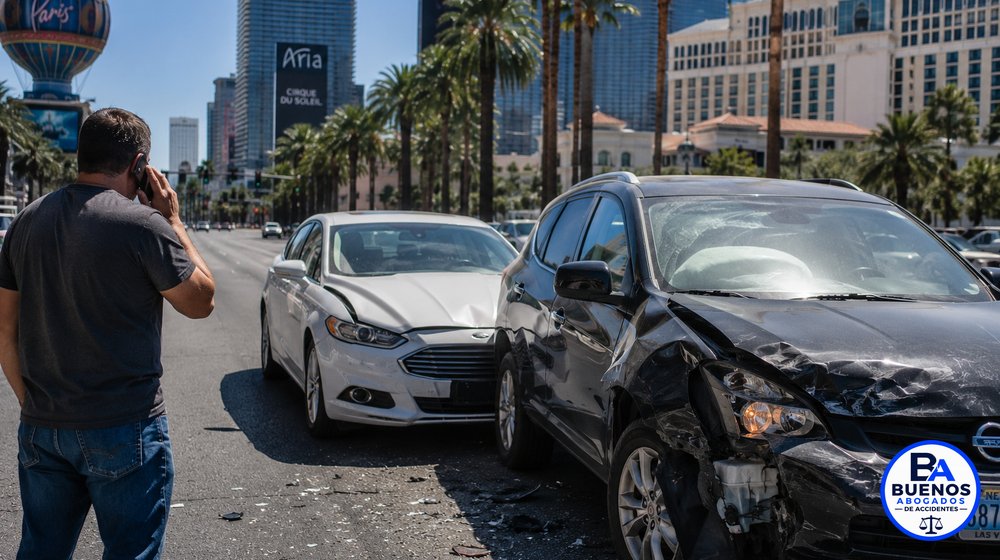
Pictures are important
Using your smartphone or a camera, take pictures of the damage, debris, road markings, signs and location only if you can do so safely. Back up the original files. If you need medical attention, prioritize getting help.
5. Be Careful of What You Say
Ask whether anyone needs medical help and exchange identification, contact and insurance information. Keep your account factual and identify details you did not see firsthand.
Right After A Car Accident Always Keep Cool
Do not blame or confront the other driver. If someone says something relevant, write down the words you heard and who said them. Cooperate with the investigating officer and distinguish what you actually saw from what you learned from someone else.
6. Notify Your Insurance Company
Notify your insurer according to your policy. Write down the claim number and the names and contact information of the people you speak to. Ask what records are needed, what deadlines apply and where to send photographs or repair information.
7. Contact the Other Driver’s Insurance Company
If another driver’s insurer contacts you, ask for the caller’s name, claim number and purpose. Keep a copy of anything they ask you to sign. If you are unsure what a statement or settlement would cover, ask a qualified attorney about it before making a decision.
8. Get Your Stuff
If your car will be towed, ask where it is going and how to retrieve necessary belongings safely. Keep the tow receipt and the name of the storage facility.
9. Read any proposed settlement
If you receive an offer after an accident, check whether it concerns vehicle damage, injuries or both, and whether signing it would close any part of the claim. Take time to understand the written terms and any deadline for responding.
Car Accident Checklist
In the aftermath of a car accident, it can be tough to remember what to do. So bookmark this page on your phone so you can refer back to the “Right After The Car Accident Do’s and Don’ts”